Question 23
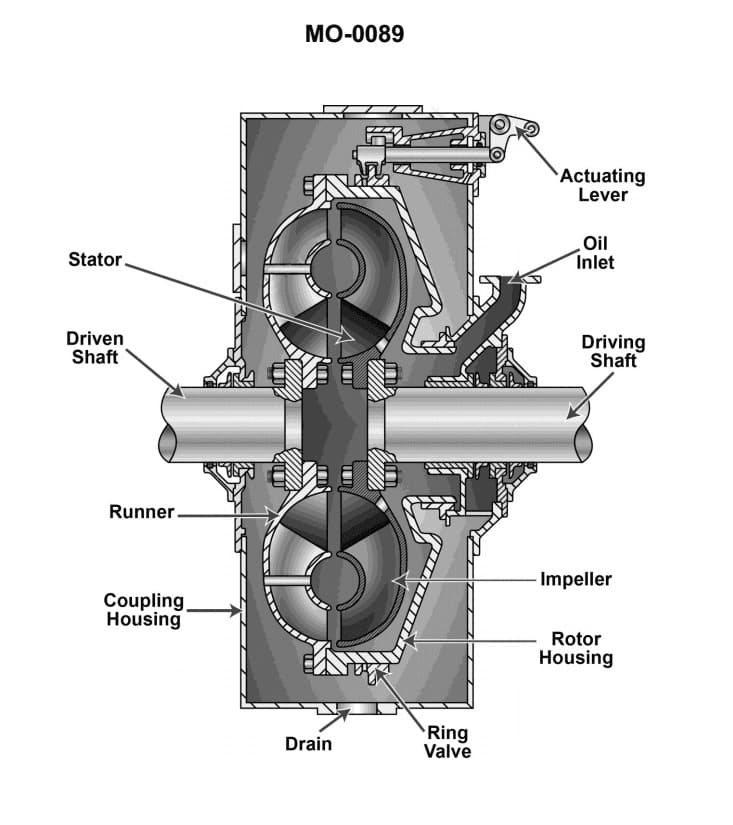
QMED03What type of clutch is pictured in the illustration? Illustration MO-0089
AI Explanation
The Correct Answer is D
**Explanation for D (Hydraulic):**
A hydraulic clutch utilizes fluid pressure (typically supplied by a master cylinder) to actuate the slave cylinder, which then moves the release bearing to engage or disengage the clutch. While Illustration MO-0089 itself is not provided, standard images depicting hydraulic clutches often show components like the master cylinder, slave cylinder (or concentric slave cylinder, CSC), and associated fluid lines. If the illustration shows a system that uses fluid pressure to transmit the force needed for clutch operation, it is correctly identified as a hydraulic clutch.
**Why the other options are incorrect:**
* **A) Pneumatic:** A pneumatic clutch uses compressed air to provide the actuation force. These are generally found in heavy-duty industrial or marine applications, not typically standard automotive setups. If the illustration does not show air lines, compressors, or air cylinders, it is not pneumatic.
* **B) Electromagnetic:** An electromagnetic (or magnetic) clutch uses a magnetic field created by an electrical current passing through a coil to couple the input and output shafts. This type requires electrical wiring and a coil rather than fluid lines or mechanical linkage for operation. Common examples include air conditioning compressor clutches.
* **C) Mechanical:** A mechanical clutch uses physical linkages, rods, or cables to transfer the force from the clutch pedal directly to the release fork. This system lacks the master cylinder, slave cylinder, and fluid lines that characterize hydraulic actuation.
Related Questions
#22 Fuel injection systems are designed to primarily meter fuel, atomize fuel, and _________.#22 The most common type of containment device for spilled oil on the water is the use of __________.#24 In terms of the completeness of combustion, in performing a stack gas analysis on an operating boiler, what
would be the indication of the LEAST complete combustion?#24 What type of eye protection affords the best protection from dust and airborne abrasives?