Question 66
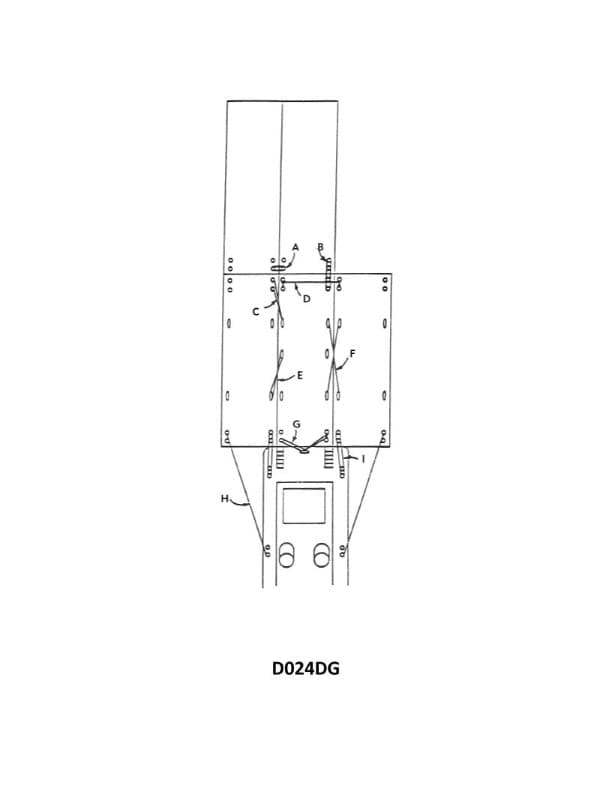
TV02In illustration D024DG below what does item "A" represent?
AI Explanation
The Correct Answer is B
**Why Option B ("lashing") is correct:**
In the context of rigging, construction, or historical illustration (often related to sailing ships, scaffolding, or early aircraft), a "lashing" is a binding or securing method using rope, cord, or wire to fasten two or more items (like poles, spars, or cables) tightly together. If item "A" in illustration D024DG represents the connection point where components are joined using wrapping material, it is correctly identified as a lashing.
**Why the other options are incorrect:**
* **A) scissor wire:** A scissor wire is a specific type of bracing or control wire, usually associated with aircraft structures (like biplane wings) where wires cross diagonally, often forming an 'X' or 'scissor' pattern to resist deformation. It is not the term for the binding itself.
* **C) drag wire:** A drag wire is a cable or wire specifically designed to resist forces acting parallel to the direction of motion (drag forces), common in aircraft wing rigging. It describes the function of the wire, not the binding material used to join components.
* **D) tandem wire:** "Tandem" refers to an arrangement where objects are placed one behind the other. A "tandem wire" is not a standard term for a binding joint; it would more likely describe two parallel wires supporting separate loads or running consecutively.
Related Questions
#65 A vessel reduces speed without backing. Which item is the primary factor that determines the rate that her
speed through the water decreases?#65 When possible, what is the FIRST step in fighting an engine fuel-pump fire which results from a broken fuel
line?#67 If you have a liquefied flammable gas barge in tow, which is NOT required of you with respect to the barge
and its cargo?#67 What is the signal to guide vessels in distress, indicating, "This is the best place to land"?