Question 62
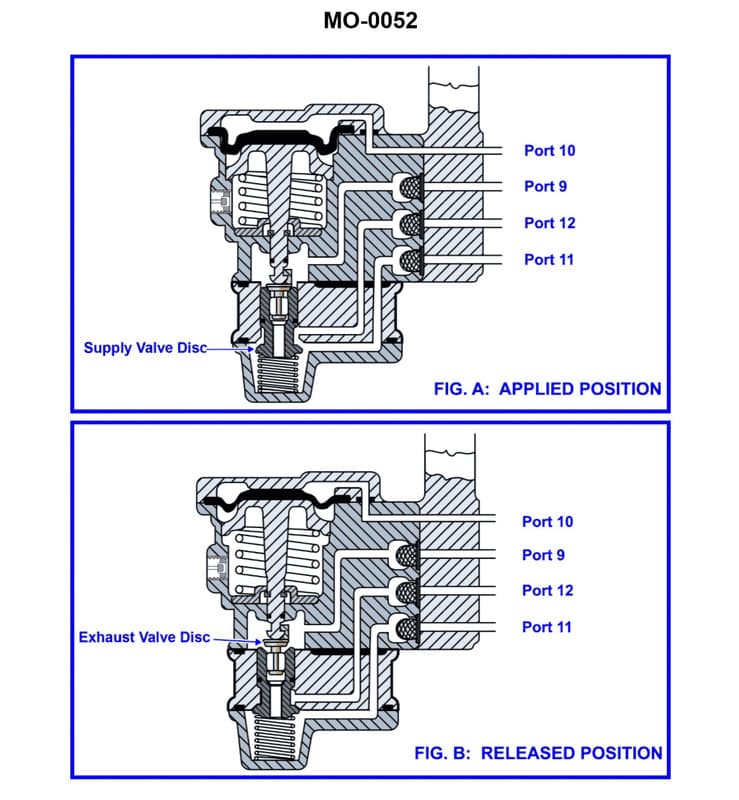
UFIV01The pneumatic propulsion control system used on your fishing factory ship uses a diaphragm-operated relay valve as shown in the illustration. Periodically, the valve is to be disassembled for cleaning and inspection. What statement best describes the proper technique? Illustration MO-0052
AI Explanation
The Correct Answer is D
### Explanation of Why Option D is Correct
Option D states: "Rubber parts such as the diaphragm should be washed with soap and water, and metal parts such as the valve discs and seats should be cleaned with non-flammable solvent." This technique is the standard and safest procedure for maintaining pneumatic control components because it respects the chemical compatibility requirements of the different materials:
1. **Rubber Diaphragms:** Diaphragms are precision components, often made of synthetic rubber or specific elastomers. Exposure to harsh chemical solvents (even non-flammable ones like mineral spirits, acetone, or heavy degreasers) can cause the rubber to swell, harden, soften, or leach out plasticizers. This damage leads to operational failure, compromised sealing, or changes in the diaphragm's flexibility, resulting in improper valve actuation. Mild soap and water (detergent solution) is the recommended gentle cleaner for removing dust, grime, and environmental contaminants without affecting the material’s integrity.
2. **Metal Valve Discs and Seats:** These metal surfaces accumulate hardened deposits, oil residue (from compressor lubricant carryover), and fine particulate matter. Soap and water are often insufficient to remove petroleum-based contaminants or light corrosion. A non-flammable solvent is required to thoroughly dissolve these residues, ensuring the critical seating surfaces are perfectly clean before reassembly, which is vital for leak-free operation.
### Explanation of Why Other Options Are Incorrect
* **A) Rubber parts such as the diaphragm and metal parts such as the valve discs and seats should all be washed with soap and water.**
* **Incorrect:** While safe for the rubber, soap and water may be inadequate for properly cleaning oil, grease, and stubborn deposits from the precision metal valve discs and seats, leading to operational sluggishness or leakage upon reassembly.
* **B) Rubber parts such as the diaphragm should be cleaned with non-flammable solvent, and metal parts such as the valve discs and seats should be washed with soap and water.**
* **Incorrect:** This reverses the appropriate procedures. Using a solvent on the rubber diaphragm risks irreversible chemical damage (swelling, softening, degradation). Using only soap and water on the metal seating surfaces is often insufficient for proper decontamination.
* **C) Rubber parts such as the diaphragm and metal parts such as the valve discs and seats should all be cleaned with non-flammable solvent.**
* **Incorrect:** This is the most damaging option for the diaphragm. Solvents are highly likely to degrade or swell the rubber components, compromising the valve’s function and necessitating immediate component replacement.
Related Questions
#61 When taking samples of a tank atmosphere with an explosimeter, you should __________.#61 Decisions must be made based upon the appropriate response to a given situation. Which of the following
situations requiring a decision require a different response each time and are considered unprogrammed
decisions?#63 The fishing factory ship to which you are assigned is fitted with a totally pneumatic propulsion control system
as shown in the illustration. If the astern clutch fails to engage from the engine room control station, but
engages properly from all remote-control stations, which of the following system faults best accounts for these
symptoms? Illustration MO-0168